Seamless vs Cut-and-Sew Workout Shirts
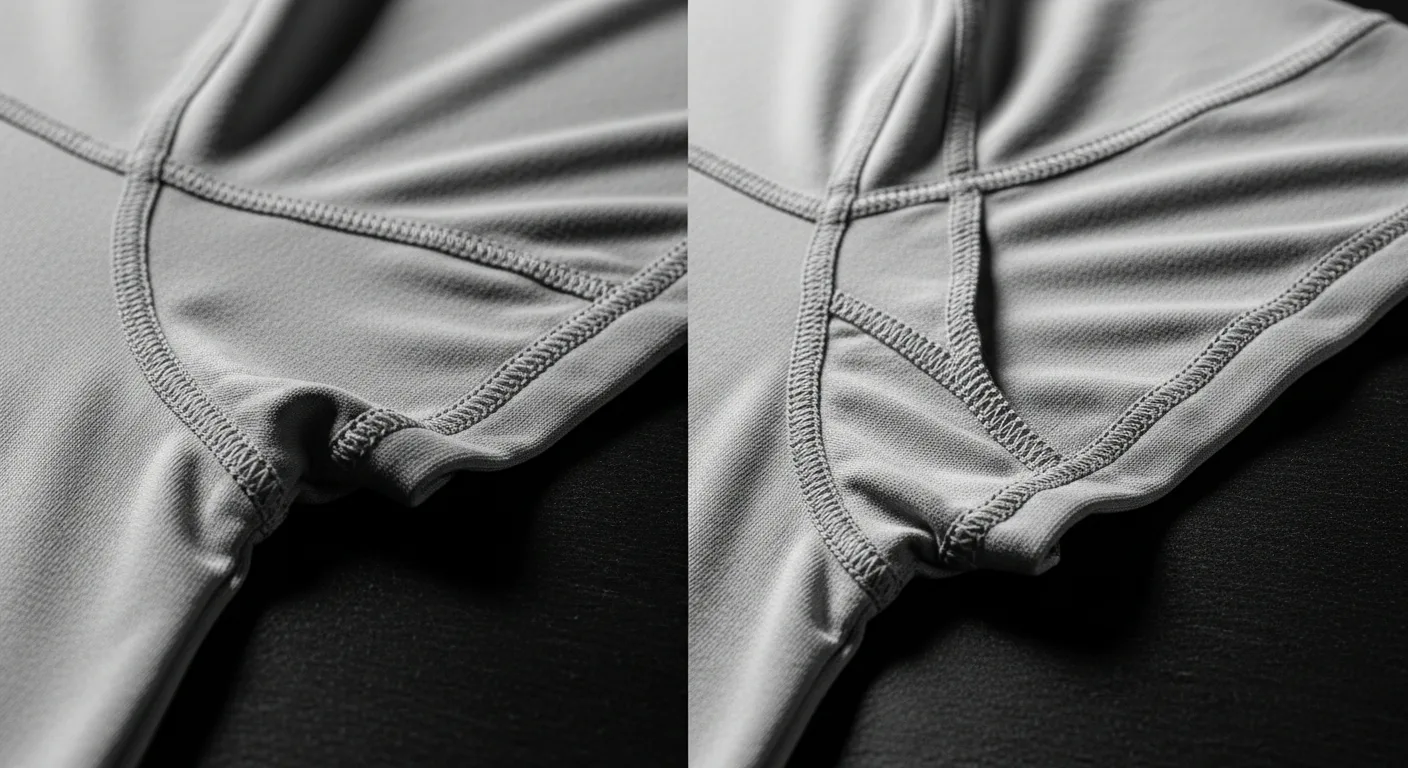
Walk into any sporting goods store and you will see two distinctly different kinds of workout shirts hanging next to each other. One is built from flat panels of fabric stitched together with traditional seams. The other is knitted as a single tube of fabric on a circular machine, with the underarm, sides, and shoulders integrated directly into the construction. These are cut-and-sew and seamless workout shirts, respectively, and the difference between them affects fit, comfort, durability, chafing, breathability, and price in meaningful ways.
For most gym goers, the seamless versus cut-and-sew decision is genuinely confusing. Brands market both as performance options without explaining what the construction method actually means for the wearer. This guide breaks down both methods in plain language , how they are made, what each does well, where each one fails, and which one to pick for your specific training style.
What "Cut-and-Sew" Actually Means
Cut-and-sew is the traditional construction method for almost every t-shirt you have ever owned. Large rolls of fabric are cut into flat panels , a front, a back, two sleeves, and various trim pieces. These panels are then sewn together with seams running down the sides, across the shoulders, and around the underarm. The seams can be sewn with traditional stitching, flatlock stitching (which lies flat against the skin), or bonded with adhesive instead of stitched.
Cut-and-sew construction allows brands to use different fabrics in different zones of the shirt. A premium training tee might use a mesh panel under the arms for ventilation, a slightly heavier fabric across the front for durability, and a different fabric across the back for moisture management. This zone-specific engineering is the major advantage of cut-and-sew construction.
What "Seamless" Actually Means
Seamless construction is fundamentally different. Instead of cutting and sewing flat panels, the entire shirt body is knitted as a single tube on a specialized circular knitting machine. The underarm, side panel, and shoulder are integrated directly into the knit structure rather than joined with seams. Sleeves and necklines are typically still attached afterward, but the main body of the shirt has no traditional side seams or underarm seams at all.
Seamless construction also allows for varied knit structures within the same garment. A premium seamless training tee might have a tighter, denser knit through the torso for support, a more open mesh-like knit under the arms for ventilation, and a slightly different knit pattern through the back for moisture transport , all integrated into a single continuous tube of fabric.
Direct Comparison: Where Each Wins
Each construction method has clear advantages in specific use cases:
- Chafing prevention: Seamless wins decisively. Without underarm and side seams, there is nothing to abrade against your skin during repetitive motion. Cut-and-sew shirts can mitigate this with flatlock or bonded seams, but seamless eliminates the problem entirely.
- Targeted fabric engineering: Cut-and-sew wins. Using genuinely different fabrics in different zones (mesh panels, reinforced shoulders, etc.) is impossible in a fully seamless construction. Premium cut-and-sew shirts can engineer specific fabric performance into specific zones.
- Fit consistency: Cut-and-sew wins. Seamless construction relies on the knit's natural stretch to fit different bodies, which means the same shirt can fit different builds quite differently. Cut-and-sew patterns can be graded more precisely across sizes.
- Stretch and four-way movement: Seamless wins. The continuous knit structure stretches in all directions naturally, while cut-and-sew shirts are constrained by the seams' ability to flex. For dynamic, multi-directional movement (yoga, gymnastics, mobility work), seamless is more comfortable.
- Durability: Cut-and-sew wins. Traditional stitched seams, particularly flatlock or chain-stitched seams, are typically more durable than the integrated knit transitions in seamless construction. Cut-and-sew shirts generally last longer under abrasive use like barbell work.
- Breathability: Tie. Both methods can incorporate ventilation. Seamless does it through varied knit structures; cut-and-sew does it through actual mesh panels. Premium versions of either are roughly comparable.
- Price: Cut-and-sew wins. Seamless construction requires specialized circular knitting machines and is significantly more expensive to manufacture. Premium seamless shirts almost always cost more than equivalent cut-and-sew options.
Best Use Cases for Seamless Workout Shirts
Seamless construction excels in any training style with high repetitive motion or extreme range of motion. CrossFit athletes love seamless tees for the lack of underarm chafing during high-volume pull-ups, muscle-ups, and gymnastics. Yoga and pilates practitioners benefit from the four-way stretch and the lack of seams pressing into the skin during inverted poses or long holds. Distance runners value the elimination of chafing during hours of repetitive arm swing.
The downside is that seamless shirts are typically more expensive, less durable under heavy abrasion, and the fit can be less predictable across sizes. Premium seamless shirts from Gymshark, Lululemon, and AYBL run $40-80 each, which is significantly more than equivalent cut-and-sew options.
Best Use Cases for Cut-and-Sew Workout Shirts
Cut-and-sew construction is the right choice for most general gym use. Powerlifters and strength athletes benefit from the durability , the heavy abrasion of barbell knurling against the chest during cleans destroys seamless shirts faster than cut-and-sew. Athletes who need targeted ventilation panels (mesh under the arms, lighter fabric across the back) are better served by cut-and-sew construction.
Cut-and-sew is also the right choice when budget matters. A solid cut-and-sew technical tee from Nike, Adidas, or Under Armour runs $20-35, which is roughly half the price of an equivalent seamless option. For athletes building out a full training rotation of five or six shirts, cut-and-sew makes the math work better.
How to Identify Each in the Wild
Looking at a workout shirt on a hanger, the easiest way to identify seamless construction is to check the underarm and side panel. If you can see continuous fabric flowing from the front of the shirt to the back without any visible seam line, it is seamless. If you can see a seam running down the side and around the underarm, it is cut-and-sew (regardless of whether that seam uses traditional stitching, flatlock, or bonded construction).
Brand naming conventions also help. Gymshark's "Vital Seamless," "Studio Seamless," and most of their premium training tops are seamless. Lululemon's "Wundermost" line is seamless. Most Nike Pro and Under Armour HeatGear options are cut-and-sew with bonded or flatlock seams. Adidas does both, depending on the line.
Top Picks
As an Amazon Associate I earn from qualifying purchases.
Care Differences Between Seamless and Cut-and-Sew
Seamless workout shirts require slightly more careful washing than cut-and-sew options. The integrated knit structure can lose its shape if washed with abrasive fabrics like denim or towels, or if tumble-dried on high heat. Wash seamless shirts in cold water with similar fabrics, and air-dry or tumble-dry low to maintain the original fit.
Cut-and-sew workout shirts are more forgiving. They can typically handle warm-water washing and standard tumble drying without losing shape. The traditional seams are stronger than the knit transitions in seamless construction, which means cut-and-sew shirts hold up better to aggressive washing.
The Hybrid Option: Bonded-Seam Cut-and-Sew
Many premium training shirts in 2026 use a hybrid approach: cut-and-sew construction with bonded seams instead of traditional stitching. The flat panels are joined with adhesive rather than thread, which produces a smooth, almost seamless feel against the skin while retaining the targeted fabric engineering and durability of cut-and-sew construction.
Lululemon's Fast and Free Short Sleeve, Nike Pro Tight-Fit, and several Under Armour HeatGear models use bonded seams. These shirts are often the best of both worlds , the chafing-prevention benefits of seamless construction with the durability and fit consistency of cut-and-sew.
Bottom Line: Which Should You Buy?
For most gym goers, cut-and-sew construction is the right starting point. It is more durable, more affordable, available in a wider range of fits, and entirely capable of handling general training. Look for cut-and-sew shirts with flatlock or bonded seams to minimize chafing.
Upgrade to seamless construction if you are doing high-volume gymnastics, distance running, or any training style with extreme repetitive motion. The chafing-prevention benefits are genuine and worth the price premium for athletes whose training stresses the underarm and side panel zones. Yoga and pilates practitioners should also strongly consider seamless for the four-way stretch benefits.
If your budget allows, the hybrid bonded-seam cut-and-sew option is the best of both worlds. It is the construction method used in the highest-performing workout shirts on the market in 2026.