Cotton vs Polyester Workout Shirts: Which Fabric Wins for Training?
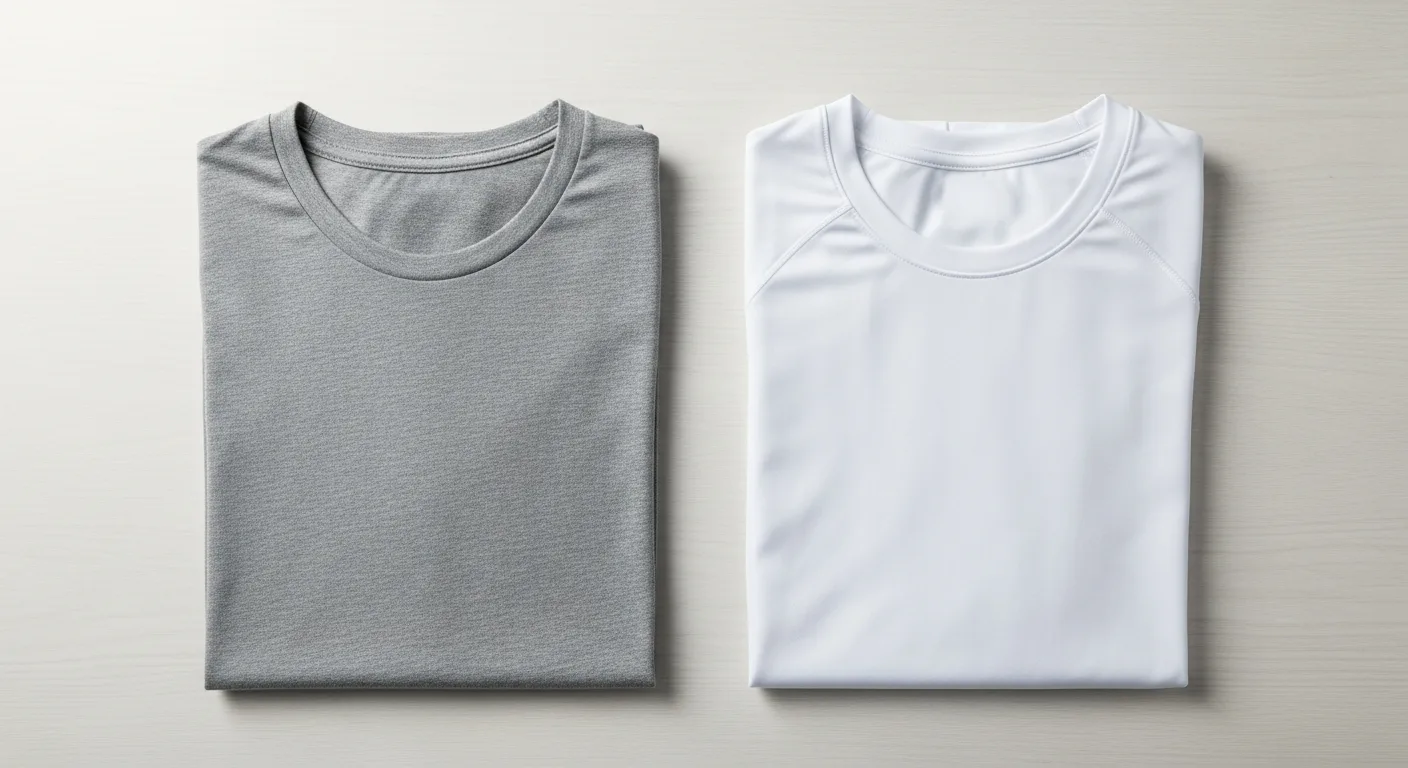
It is the most fundamental question in fitness apparel, yet most athletes never stop to think about it. They simply grab whatever t-shirt is clean and head to the gym. But the battle of cotton vs polyester workout shirts is a matter of material science that directly impacts your comfort, temperature regulation, and even your hygiene during a workout.
Choose the wrong fabric for your specific training style, and you will end up weighed down by sweat, freezing in a cold gym, or dealing with an odor that just will not wash out. In this comprehensive technical guide, we break down the exact properties of gym t-shirt fabric, explore the pros and cons of both natural and synthetic fibers, and give you a framework for exactly what to wear based on how you train.
Cotton: The Natural Heavyweight
Cotton is a natural fiber loved for its soft hand feel and excellent breathability in dry conditions. However, when it comes to athletic performance, cotton has distinct characteristics you must understand:
- Moisture Absorption: Cotton does not wick moisture; it absorbs it. A cotton tee can absorb up to 27 times its weight in water. This means sweat stays trapped against your skin.
- Drying Time: Because it holds water, cotton dries incredibly slowly,often taking 45 to 90 minutes to air dry, compared to 15-20 minutes for synthetics.
- Odor Control: This is cotton's superpower. Natural cotton fibers do not hold onto odor-causing bacteria the way synthetics do. A cotton shirt stays odor-neutral much longer on its first wear.
- Best For: Low-intensity training, heavy weightlifting in air-conditioned gyms, powerlifting (cotton provides better friction against a barbell for squats), and short sessions.
- GSM Range: Look for 140gsm (grams per square meter) for lightweight comfort, up to 200gsm for a heavy, structured fit.
Polyester: The Synthetic Engine
Polyester is a synthetic plastic fiber engineered specifically for activewear. It is the foundation of almost every "performance" or "dry-fit" garment on the market.
- Moisture Transport: Polyester is hydrophobic (water-hating). Instead of absorbing sweat, the fabric structure capillary-actions moisture from your skin to the outer face of the garment, where it evaporates.
- Drying Time: It dries 3 to 4 times faster than cotton, keeping you feeling light and unencumbered even during a downpour of sweat.
- Temperature Regulation: While it wicks sweat beautifully to cool you down during high exertion, tightly woven polyester can trap heat in still air more than cotton.
- Best For: High-intensity interval training (HIIT), outdoor running, cycling, hot yoga, and marathon cardio sessions.
- GSM Range: Premium training shirts sit around 120gsm (ultralight race-day) to 180gsm (durable training-grade).
The Odor Problem: Why Polyester Smells
If you have ever noticed that your polyester gym shirts smell terrible even right after washing, you are not crazy. The bacteria that break down sweat (specifically Micrococcus) thrive in the microscopic crevices of synthetic polyester fibers. They attach stubbornly and cannot be fully removed by standard laundry detergents. Over time, a permanent biofilm builds up, causing the shirt to smell the moment it gets warm.
The solution? Premium brands use anti-odor treatments. Lululemon uses Silverescent (silver threads woven in), while Under Armour uses zinc-ion treatments to kill bacteria on contact. For untreated shirts, you must use specialized enzyme-based sports detergents to break down the trapped oils.
Blends: The Best of Both Worlds
You do not always have to choose extremes. Blended fabrics attempt to marry the softness of cotton with the performance of polyester.
- 60/40 Cotton-Poly: The most common athletic blend. It feels like a t-shirt but dries faster than pure cotton.
- 50/50 Blend: The classic vintage athletic shirt mix. Highly durable, moderate wicking.
- Tri-blends (Cotton/Poly/Rayon): Incredibly soft, vintage drape, excellent stretch. However, rayon holds water, so tri-blends are poor for heavy sweaters.
Top Picks
As an Amazon Associate I earn from qualifying purchases.
The Inner T-Shirt Strategy
If you insist on wearing a heavy cotton pump cover or vintage hoodie, consider a gym inner t-shirt. Wearing a tight-fitting, lightweight polyester base layer underneath your cotton shirt moves the sweat off your skin immediately. The cotton outer layer will eventually soak it up, but your skin will remain relatively dry and chafe-free.