Dri-FIT vs Quick-Dry vs Moisture-Wicking
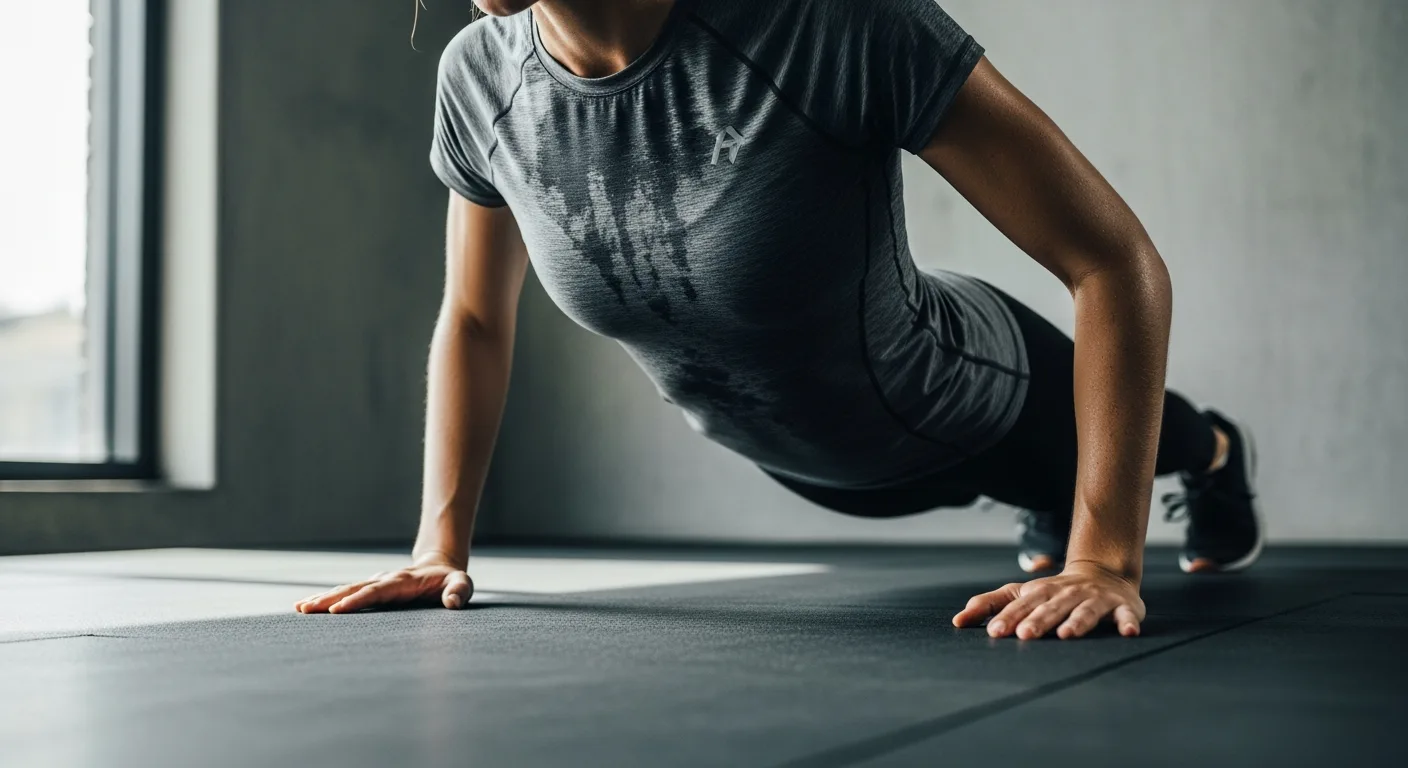
Walk into any sporting goods store and you will see workout shirts marketed as Dri-FIT, quick-dry, dri-fit, moisture-wicking, sweat-wicking, AEROREADY, HeatGear, ClimaLite, and a dozen other variations. Each brand wants you to believe their proprietary technology is something special. The honest truth: most of these terms describe the same underlying fabric technology , moisture-wicking polyester , with different brand names attached. The actual performance differences come down to specific yarn construction, fabric weight, and finish treatments, not the marketing label.
This guide decodes the marketing terms, explains what actually matters when shopping for sweat-wicking gym shirts, and tells you when paying for a brand-name technology is worth it versus when a generic dri-fit shirt performs just as well.
The Underlying Technology: Moisture-Wicking Polyester
Almost every athletic shirt marketed as Dri-FIT, quick-dry, or moisture-wicking is built on the same foundation: hydrophobic polyester yarn knit in a way that uses capillary action to pull moisture from the inside of the shirt to the outside, where it evaporates. Polyester is the key , it does not absorb water (unlike cotton), so sweat moves through the fabric rather than soaking into it.
The marketing terms describe variations on this same idea:
- Dri-FIT: Nike's trademarked name for their moisture-wicking polyester technology. Specific yarn construction and fabric finish, but the underlying material is polyester.
- Quick-Dry: A generic term used by many brands. Means the fabric dries faster than cotton , usually a polyester or polyester-blend.
- Moisture-Wicking: The most generic term. Refers to any fabric (almost always polyester) engineered to move sweat away from the skin.
- Dry-Fit (no hyphen variants): Generic spelling used by Amazon-marketplace brands to describe the same polyester moisture-wicking fabric without infringing on Nike's trademark.
- HeatGear (Under Armour): UA's trademarked name for their hot-weather moisture-wicking line. Polyester base with specific yarn engineering for cooling.
- ClimaLite / ClimaCool / AEROREADY (Adidas): Adidas's evolving brand names for their moisture-wicking polyester technologies. Each generation refines the yarn and weave but the core principle is identical.
What Actually Differs Between Brands
While the underlying polyester moisture-wicking concept is shared, real differences exist in execution. Premium brands invest in specific innovations that do meaningfully improve performance:
- Yarn Cross-Section: Some brands use polyester yarn with grooved or star-shaped cross-sections (rather than smooth round) to increase surface area and capillary action. Nike Dri-FIT uses microfiber polyester with engineered yarn shapes.
- Fabric Weight (GSM): Premium brands optimize fabric weight for specific use cases. A Nike running shirt might be 130 gsm for maximum airflow, while a Nike training shirt might be 175 gsm for durability. Generic dri-fit shirts often use one weight for everything.
- Anti-Odor Treatments: Polyester has a notorious odor problem because synthetic fibers trap body oils and bacteria. Premium brands add silver-ion treatments (Lululemon Metal Vent Tech), HeiQ Pure (Patagonia), or other antimicrobial finishes to combat odor. Generic dri-fit shirts usually skip this.
- Stretch and Recovery: Premium brands blend polyester with elastane (5-15%) for four-way stretch and shape recovery. Cheap dri-fit shirts often use 100% polyester, which stretches less and loses shape faster.
- Knit Construction: Premium brands engineer the knit pattern (mesh zones in high-heat areas, denser weaves in high-stress areas). Generic shirts use uniform knit throughout.
When to Pay for the Brand
For casual gym wear and basic moisture wicking, a generic dri-fit gym shirt from Amazon performs nearly identically to a name-brand Dri-FIT shirt. You are paying primarily for the brand name, not meaningful performance differences.
For specific high-demand uses, premium brands deliver real value:
- Daily training with odor concerns: Pay for silver-ion antimicrobial treatments. Lululemon Metal Vent Tech, Patagonia Capilene, and Icebreaker merino blends genuinely outperform generic polyester for odor control.
- Long-distance running: Pay for engineered yarn cross-sections that wick faster. Nike Dri-FIT, Saucony Drylete, and Patagonia Capilene Cool noticeably outperform generic dri-fit for sustained sweat handling.
- Hot weather training: Pay for engineered ventilation panels. Adidas HEAT.RDY and Under Armour HeatGear use mesh zones and lighter fabric weights in high-heat areas.
- Long-term durability: Premium brands hold up to washing and wearing significantly longer. A Nike Dri-FIT Legend tee will outlast three generic dri-fit tees.
Top Picks
As an Amazon Associate I earn from qualifying purchases.
What to Actually Look For When Shopping
Ignore the marketing terms. Read the fabric content tag instead. The actual specs that determine performance:
- Polyester percentage: Higher is better for moisture wicking. 100% polyester wicks fastest. 90/10 polyester-elastane blends offer wicking with stretch. Anything below 50% polyester is not really a wicking shirt.
- Avoid cotton blends for high sweat: Tri-blends (cotton, polyester, rayon) feel softer but absorb sweat. Fine for casual gym wear, bad for hot conditioning.
- Look for elastane (spandex): 5-15% elastane provides stretch and shape recovery. Pure polyester shirts feel stiffer and lose shape faster.
- Check for anti-odor treatment: Mentioned on the product label as silver-ion, HeiQ Pure, Polygiene, or similar. Worth paying for if you train daily.
- Fabric weight (GSM): 130-150 gsm for hot weather and running. 160-180 gsm for daily training and weight room use. 200+ gsm for cold weather base layers.
The Bottom Line
Dri-FIT, quick-dry, dry-fit, and moisture-wicking are mostly different names for the same underlying technology: polyester fabric engineered to move sweat away from the skin. Brand-name versions add specific refinements (yarn shape, ventilation, anti-odor) that matter for serious athletes but not for casual gym wear. Buy the cheap generic for everyday use and save the premium spend for the specific scenarios where the engineering pays off.