Compression Shirt Benefits and Myths
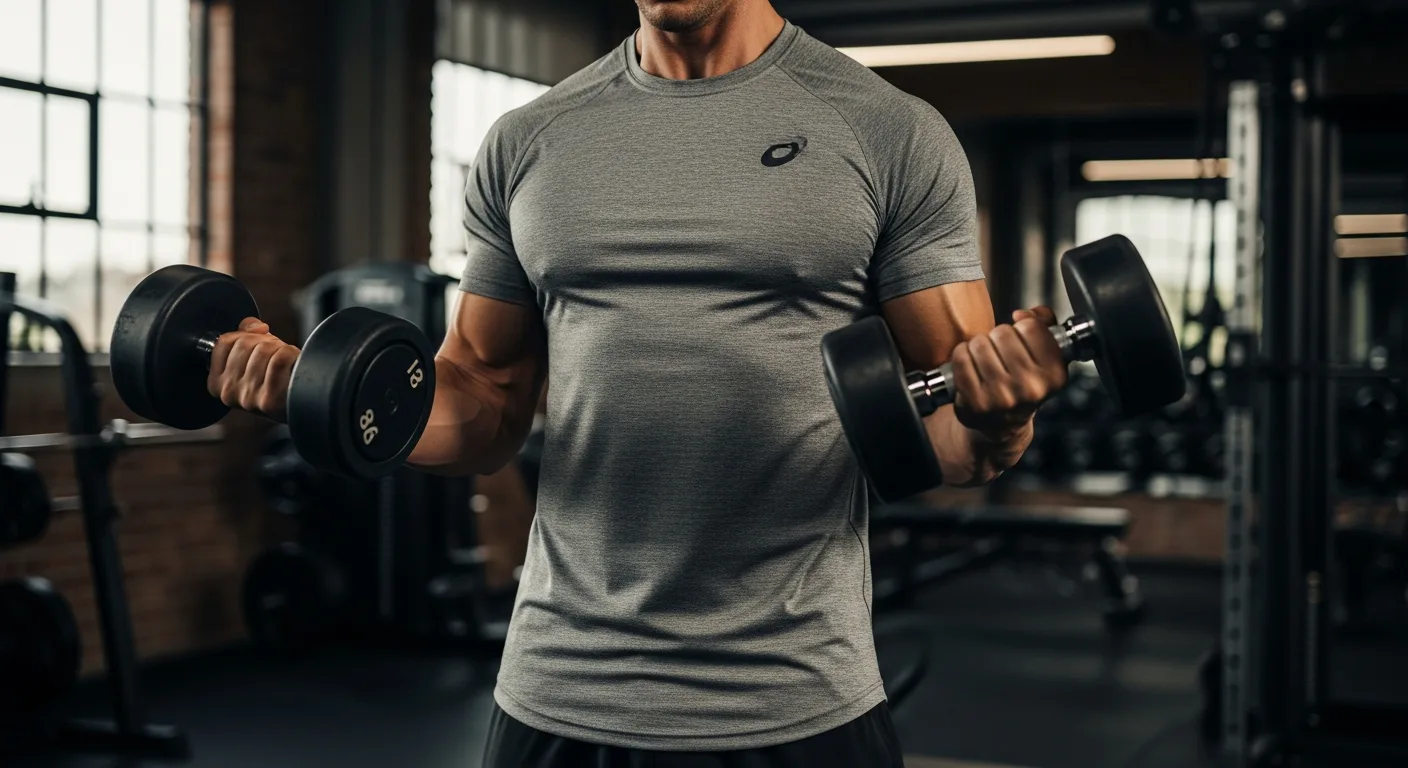
Compression shirts are wrapped in marketing claims: faster recovery, more power, less injury, better posture. Some are real, supported by sports science research. Others are wishful thinking dressed up in athletic packaging. This guide separates documented benefits from gym-rat folklore, so you can decide whether compression actually deserves space in your training rotation.
Real, Documented Benefits
- Reduced muscle oscillation: Compression dampens the high-frequency muscle vibration that occurs during high-impact activity. Documented benefit during running and jumping.
- Improved proprioception: Constant skin pressure improves body awareness during heavy lifts. Useful for technical movements like Olympic lifts and gymnastics.
- Faster recovery (mild): Wearing compression for 6-24 hours after training shows modest reductions in delayed-onset muscle soreness in research studies.
- Thermal regulation: Compression base layers trap a thin layer of warm air against the skin, useful in cold gyms and outdoor winter training.
- Reduced chafing: Eliminates fabric movement against skin, preventing chafing during long-duration cardio.
Common Myths Worth Debunking
- Myth: Compression makes you stronger. Research shows no meaningful improvement in maximal strength output from wearing compression during training.
- Myth: Compression burns more calories. No documented metabolic increase from wearing compression. Marketing claim, not science.
- Myth: Compression replaces lifting belts or wrist wraps. Compression provides only minor mechanical support. Real lifting equipment (belts, wraps, straps) provides far more meaningful support.
- Myth: Compression improves posture long-term. Compression provides temporary postural cues during wear. No documented long-term posture improvement.
- Myth: Tighter is better. Excessive compression restricts breathing and blood flow. Look for graduated compression or moderate-pressure rated shirts, not the tightest option you can find.
When to Wear Compression
- Heavy lifting sessions: Proprioceptive feedback helps technique under load.
- Cool-weather training: Thermal insulation as a base layer.
- Recovery (6-24 hr post-workout): Modest soreness reduction.
- Long-duration cardio: Anti-chafing during runs over 60 minutes.
- High-impact training: Reduces muscle oscillation during plyometrics and running.
When to Skip Compression
- Hot-weather cardio: Compression blocks airflow and traps heat.
- Bodybuilding aesthetic days: Compression flattens muscle definition (counterintuitive but visually true).
- Mobility and flexibility work: Compression restricts the range of motion you are trying to develop.
- Anyone with circulation issues: Consult a physician before wearing compression.
Top Picks
As an Amazon Associate I earn from qualifying purchases.
Frequently Asked Questions
Related Reads
Best Compression Workout Shirts
Top compression picks tested for fit, fabric, and durability.
Read more
Compression vs Loose Fit Workout Shirts
Head-to-head on which fit wins for your training.
Read more
Tight vs Loose Workout Shirts
Broader fit guide covering compression, fitted, and loose cuts.
Read more