Tight vs Loose Workout Shirts: Which Wins?
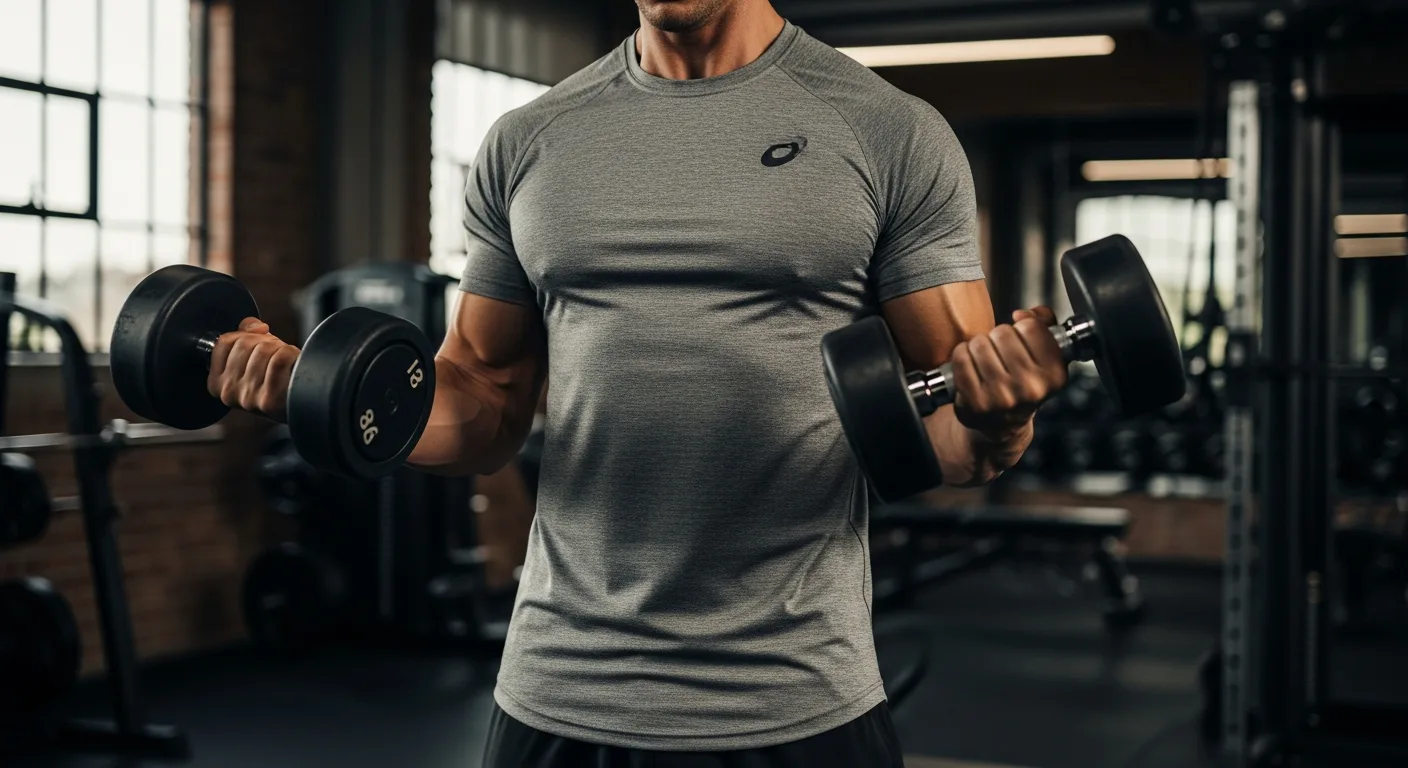
The tight versus loose workout shirt debate gets argued endlessly in gyms and online, usually based on personal preference dressed up as performance science. The truth is simpler than either side wants to admit: each fit performs better for specific activities, and the right choice depends almost entirely on what you are actually doing in the gym. A powerlifter wearing a baggy oversized tee for a max squat is making a different mistake than a runner wearing a compression tee on a hot summer day.
This guide breaks down the actual performance differences between tight, fitted, and loose workout shirts, with a clear recommendation for each major training style. By the end, you will know exactly which fit to wear for your training and why the gym bro insisting his oversized tee is "for mobility" is wrong.
The Three Fits Defined
Workout shirts fall into three rough categories, and the lines between them matter:
- Tight (Compression): Form-fitting fabric that contacts the skin across the entire surface. Examples: Under Armour HeatGear compression, Nike Pro tops, base layers. The fabric is engineered to compress the muscle tissue.
- Fitted (Athletic Cut): Tapered through the chest and waist, with enough room for full motion but no excess fabric. Examples: Lululemon Metal Vent Tech, Gymshark Element, most premium athletic tees. The fabric drapes off the body without clinging.
- Loose (Oversized): Boxy cuts with significant excess fabric. Examples: cotton t-shirts, basketball jerseys, oversized streetwear-influenced gym tees. Fabric hangs away from the body, allowing airflow but creating drag during movement.
When Tight Wins
Compression and tight-fit workout shirts genuinely outperform looser options for several specific use cases:
- Heavy Lifting and Powerlifting: Compression provides proprioceptive feedback that helps with body awareness during max lifts. The fabric will not get caught on a barbell during a high bar squat or shift during a bench press. Many powerlifters specifically prefer compression tops or fitted athletic tees for this reason.
- CrossFit and Functional Fitness: Loose shirts get caught on pull-up bars, bunch up during burpees, and ride up during handstand push-ups. A fitted or tight top stays in place through dynamic movement. CrossFit competitions actively favor fitted tops.
- Mobility and Flexibility Work: Tight shirts let you see your body position. During yoga, mobility drills, or technique-heavy training, being able to see your spinal alignment, shoulder position, and core engagement helps you self-correct.
- Cool Weather Outdoor Training: A compression base layer traps a thin layer of warm air against the skin, providing meaningful insulation in cold weather. Loose shirts trap cold air and provide almost no thermal benefit.
- Recovery and Circulation: Real compression apparel (medical-grade or athletic compression) supports circulation and may speed recovery. Loose shirts provide zero compression benefit.
When Loose Wins
Loose workout shirts are not just a fashion choice. They have legitimate performance advantages for specific situations:
- Hot Weather Cardio: A loose shirt allows convective airflow across the skin, which is the primary mechanism for cooling the body. Tight shirts press wet fabric against the skin, blocking airflow and trapping heat.
- High-Volume Sweat Sessions: Loose shirts dry faster because more surface area is exposed to air. They also avoid the damp, clingy feeling of saturated tight tops.
- Bodybuilding and Aesthetic Training (Off-Season): Many bodybuilders prefer oversized cuts during off-season (bulking) phases , partly for comfort, partly to allow extra room for muscle pumps without restriction.
- Sun Protection for Outdoor Training: A loose long-sleeve shirt provides better sun protection than a tight one because the fabric does not press against the skin where UV can penetrate the weave.
- Casual Gym Sessions: If you are doing a 30-minute moderate workout and going about your day, a loose tee is more comfortable for the rest of your day than a compression top you have to peel off.
Top Picks
As an Amazon Associate I earn from qualifying purchases.
The Fitted Athletic Cut: The Best Default
For most athletes who do mixed training , some lifting, some cardio, some functional work , neither tight nor loose is the right default. The fitted athletic cut is. A well-cut fitted athletic tee provides enough taper to stay out of the way during dynamic movement, enough room to allow airflow during cardio, and enough mobility for full overhead range of motion. It is the format most premium athletic brands have settled on for a reason.
Reserve compression tops for when you specifically want the proprioceptive or thermal benefit. Reserve oversized tees for hot cardio sessions or casual wear. For everything in between, fitted athletic is the right answer.
The Mobility Myth
A persistent myth in gym culture is that loose shirts are better for mobility because they "don't restrict movement." This is largely false. Modern athletic fabrics (polyester-elastane blends with four-way stretch) provide full overhead range of motion in a fitted cut. The actual restriction in a tight shirt comes from compression of soft tissue, not from limiting joint range. If anything, loose shirts can restrict mobility by getting caught under arms during overhead pressing or bunching up during burpees.
Test it yourself: do a strict overhead press in a fitted athletic tee with stretch fabric, then in an oversized cotton tee. The cotton tee restricts the press more, not less, because the fabric bunches up at the armpits and pulls tight across the shoulders.